We may earn a commission when you buy through our links. Learn more
A telescope is a few numbers wearing a tube: aperture, focal length, focal ratio and the mount it sits on. Those numbers decide what you will see, how heavy the box is and how much you pay. Aperture Math reads them from the brands' own spec sheets, checks them against published formulas, and puts the prices of each store side by side, cheapest first.
What we read on November 7, 2026: 49 complete telescopes (tube plus mount, new), 37 with eyepieces and 12 smart telescopes, from the stores of Unistellar, Celestron, Sky-Watcher USA and Seestar, plus High Point Scientific for 46 of them. Prices run from $119.95 to $4,299.
Start with a tool
- What will I see? Pick a telescope and an eyepiece: magnification, exit pupil, field, resolution, faintest star, and how big Jupiter and Saturn look. Then the telescopes in our price check that can use the power you want.
- Will it fit? Your budget, the heaviest piece you can carry and the length of your car's cargo space: the telescopes that pass, with their published weights and tube lengths.
What will I see?
Pick a telescope or type its aperture and focal length. The results use the published formulas listed below.
The four formulas that explain a spec sheet
We checked the brands' numbers against the formulas
Celestron and Sky-Watcher print a Dawes limit, a limiting magnitude and a highest useful magnification for most models. We recomputed them for the 35 telescopes that publish all of them. The largest gap is 0.02 arcsec on the Dawes limit and 0.2 magnitude on the faintest star: those two figures are plain arithmetic on the aperture, nothing more. The highest useful magnification is not: Celestron publishes about 60x per inch (480x for an 8-inch), Sky-Watcher about 50x per inch (400x for its 8-inch). Same mirror size, different rule of thumb.
| Telescope | Aperture | Dawes: brand / ours | Faintest star: brand / ours | Highest useful (brand) |
|---|---|---|---|---|
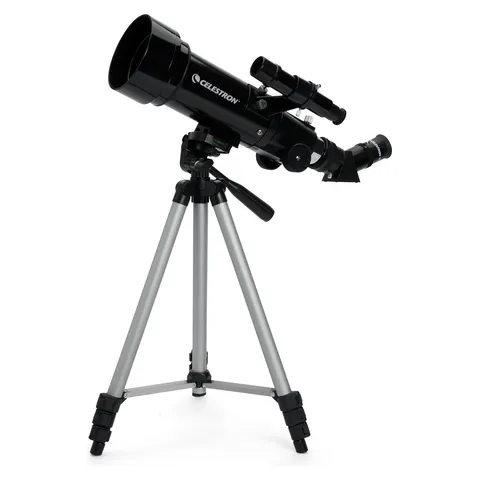 Celestron Travel Scope 70 | 70 mm (2.8 in) | 1.66" / 1.66" | 11.7 / 11.7 | 168x = 61x per inch |
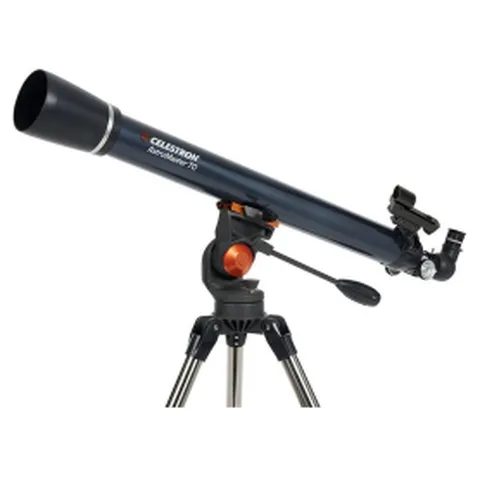 Celestron AstroMaster 70AZ | 70 mm (2.8 in) | 1.66" / 1.66" | 11.7 / 11.7 | 165x = 60x per inch |
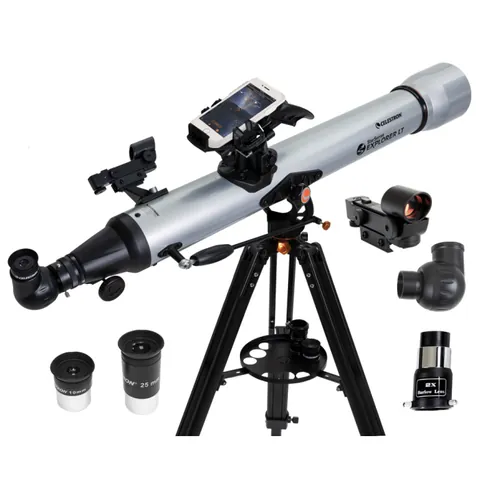 Celestron StarSense Explorer LT 80AZ | 80 mm (3.1 in) | 1.45" / 1.45" | 12 / 12.0 | 189x = 60x per inch |
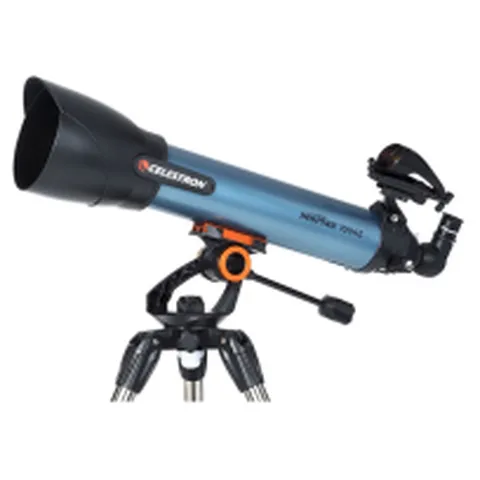 Celestron Inspire 100AZ | 100 mm (3.9 in) | 1.14" / 1.16" | 12.5 / 12.5 | 241x = 61x per inch |
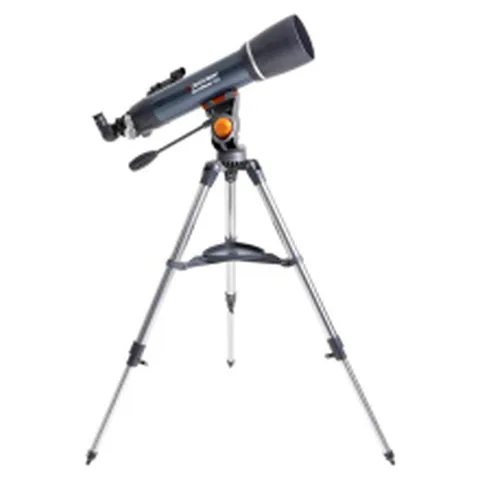 Celestron AstroMaster 102AZ | 102 mm (4.0 in) | 1.14" / 1.14" | 12.5 / 12.5 | 241x = 60x per inch |
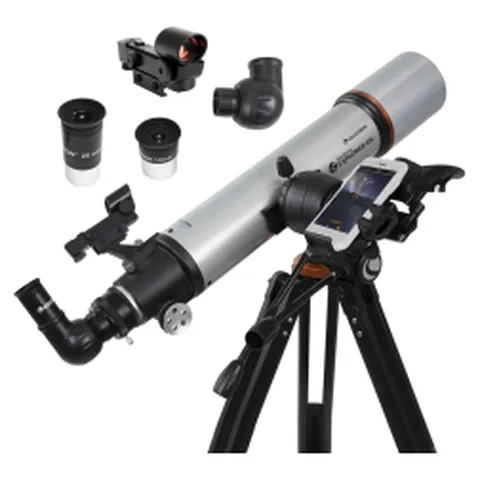 Celestron StarSense Explorer DX 102AZ | 102 mm (4.0 in) | 1.14" / 1.14" | 12.5 / 12.5 | 240x = 60x per inch |
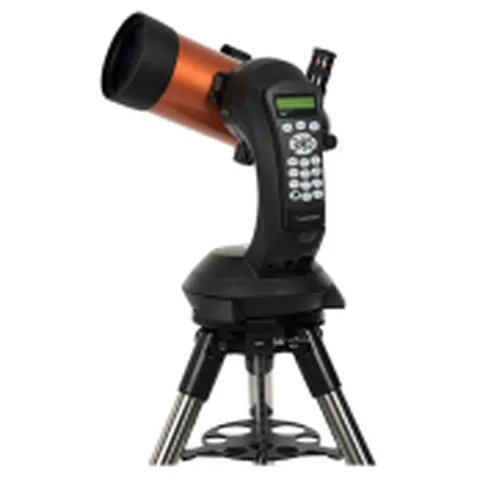 Celestron NexStar 4SE | 102 mm (4.0 in) | 1.14" / 1.14" | 12.5 / 12.5 | 241x = 60x per inch |
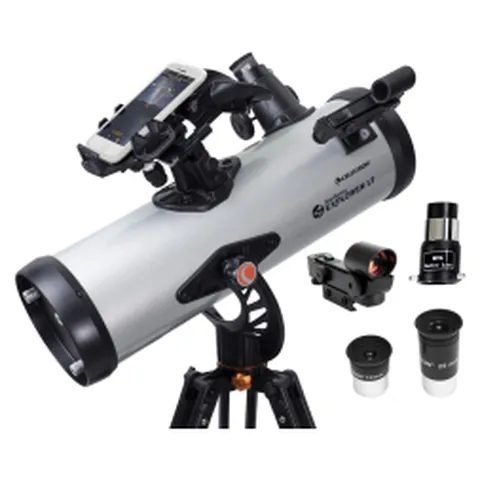 Celestron StarSense Explorer LT 114AZ | 114 mm (4.5 in) | 1.02" / 1.02" | 12.8 / 12.8 | 269x = 60x per inch |
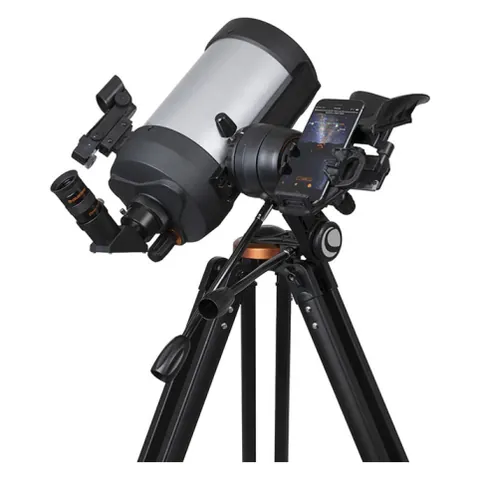 Celestron StarSense Explorer DX 5" SCT | 125 mm (4.9 in) | 0.93" / 0.93" | 13 / 13.0 | 295x = 60x per inch |
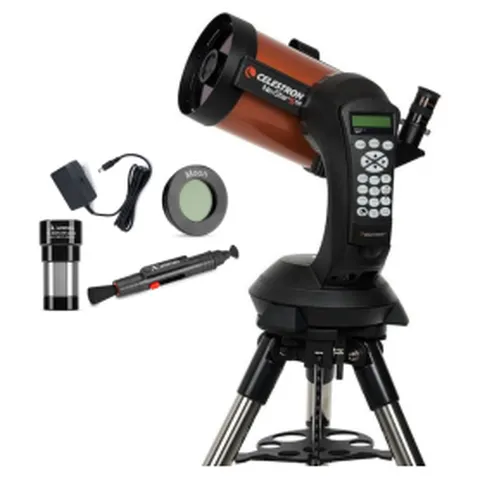 Celestron NexStar 5SE | 125 mm (4.9 in) | 0.93" / 0.93" | 13 / 13.0 | 295x = 60x per inch |
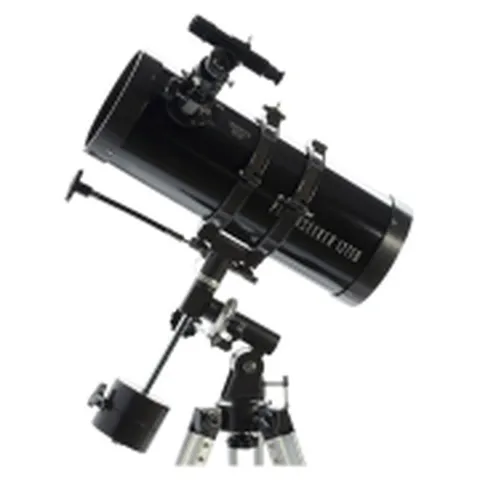 Celestron PowerSeeker 127EQ | 127 mm (5.0 in) | 0.91" / 0.91" | 13 / 13.0 | 300x = 60x per inch |
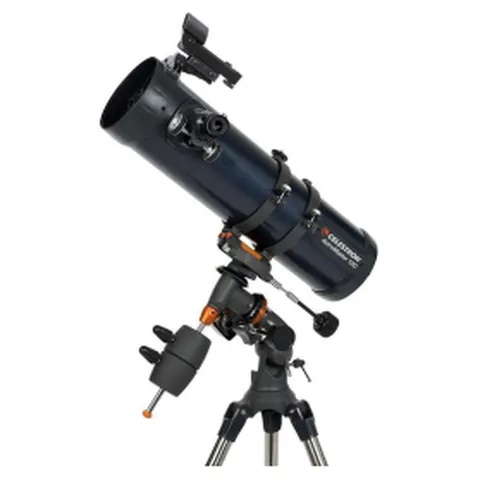 Celestron AstroMaster 130EQ-MD | 130 mm (5.1 in) | 0.89" / 0.89" | 13.1 / 13.1 | 307x = 60x per inch |
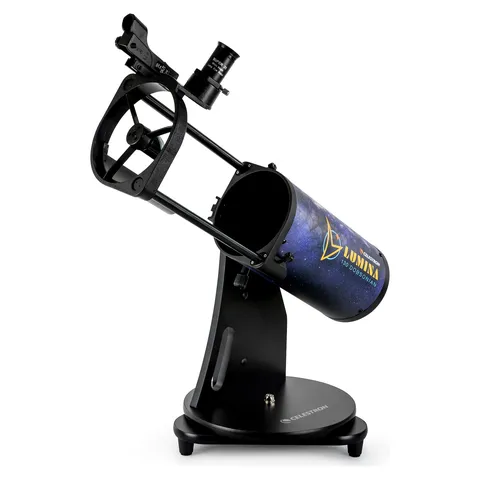 Celestron Lumina 130mm Tabletop Dobsonian | 130 mm (5.1 in) | 0.89" / 0.89" | 13.1 / 13.1 | 306x = 60x per inch |
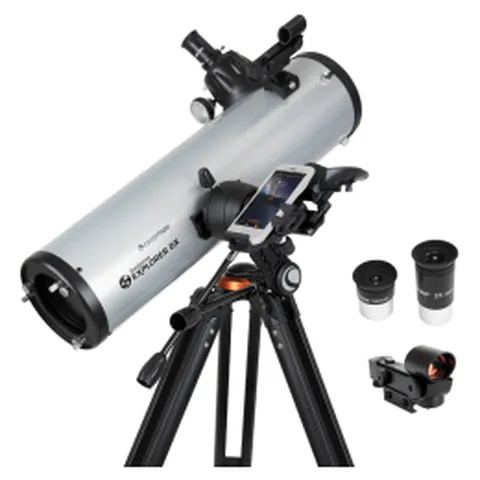 Celestron StarSense Explorer DX 130AZ | 130 mm (5.1 in) | 0.89" / 0.89" | 13.1 / 13.1 | 307x = 60x per inch |
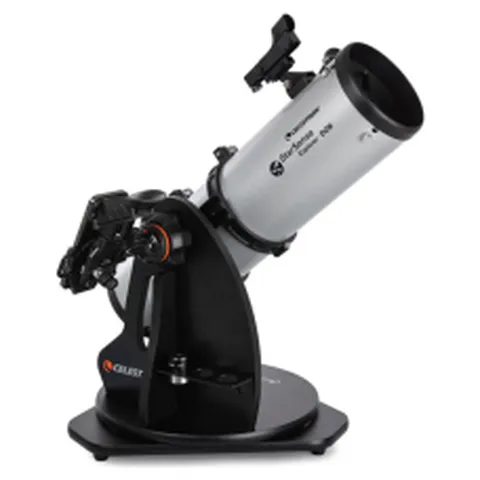 Celestron StarSense Explorer 130mm Tabletop Dobsonian | 130 mm (5.1 in) | 0.89" / 0.89" | 13.1 / 13.1 | 307x = 60x per inch |
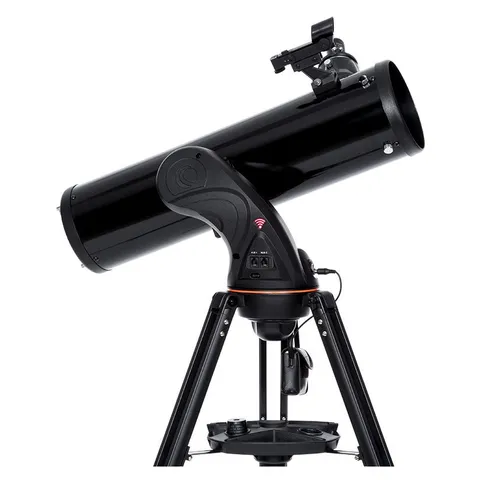 Celestron Astro Fi 130mm | 130 mm (5.1 in) | 0.89" / 0.89" | 13.1 / 13.1 | 307x = 60x per inch |
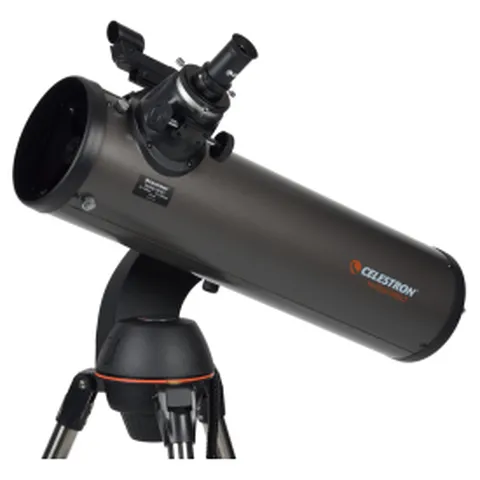 Celestron NexStar 130SLT | 130 mm (5.1 in) | 0.89" / 0.89" | 13.1 / 13.1 | 307x = 60x per inch |
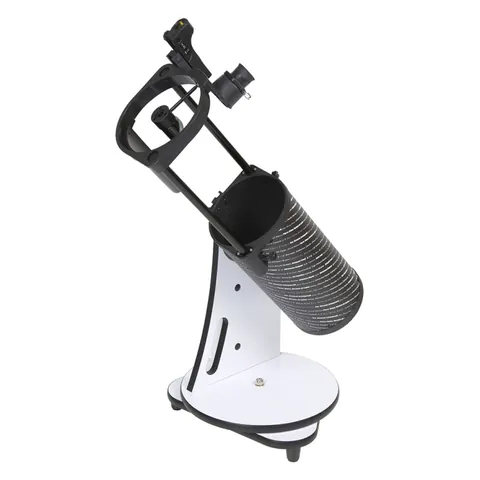 Sky-Watcher Heritage 130 Tabletop Dobsonian | 130 mm (5.1 in) | 0.89" / 0.89" | 13.05 / 13.1 | 256x = 50x per inch |
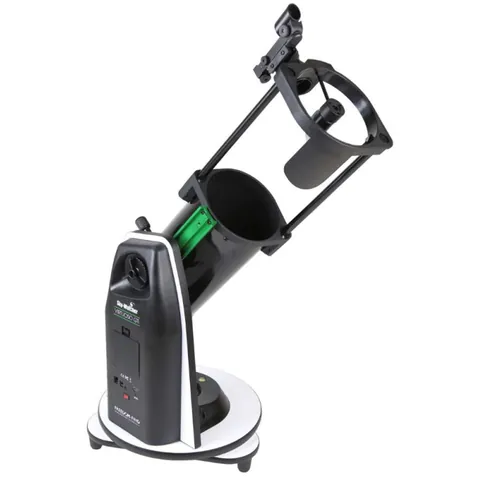 Sky-Watcher Virtuoso GTi 130P | 130 mm (5.1 in) | 0.89" / 0.89" | 13.05 / 13.1 | 256x = 50x per inch |
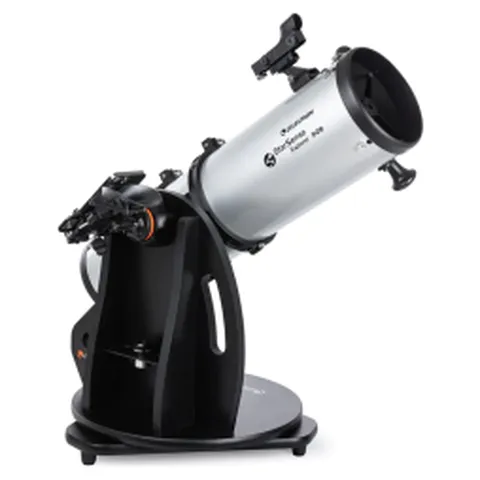 Celestron StarSense Explorer 150mm Tabletop Dobsonian | 150 mm (5.9 in) | 0.77" / 0.77" | 13.4 / 13.4 | 354x = 60x per inch |
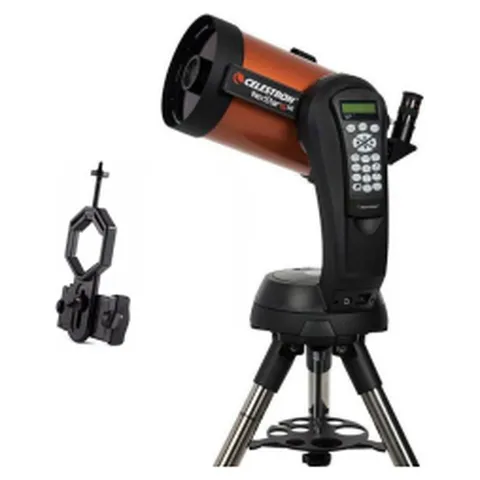 Celestron NexStar 6SE | 150 mm (5.9 in) | 0.77" / 0.77" | 13.4 / 13.4 | 354x = 60x per inch |
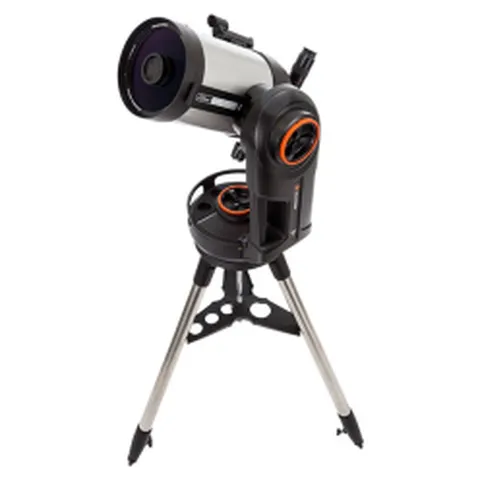 Celestron NexStar Evolution 6 | 150 mm (5.9 in) | 0.77" / 0.77" | 13.4 / 13.4 | 354x = 60x per inch |
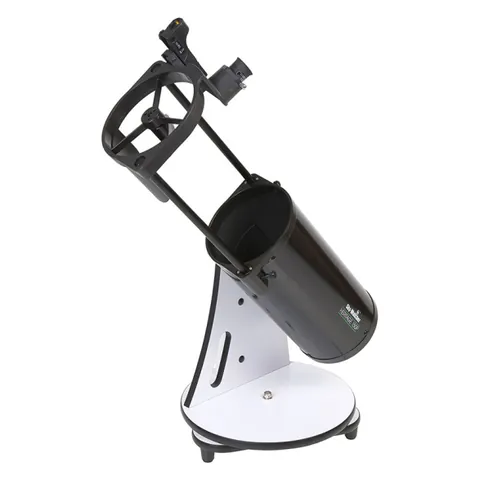 Sky-Watcher Heritage 150 Tabletop Dobsonian | 150 mm (5.9 in) | 0.77" / 0.77" | 13.36 / 13.4 | 295x = 50x per inch |
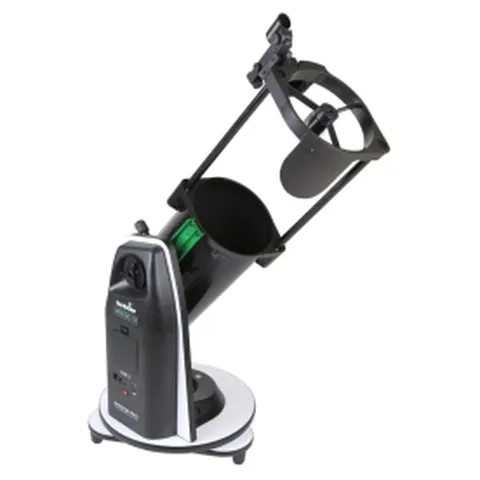 Sky-Watcher Virtuoso GTi 150P | 150 mm (5.9 in) | 0.77" / 0.77" | 13.36 / 13.4 | 295x = 50x per inch |
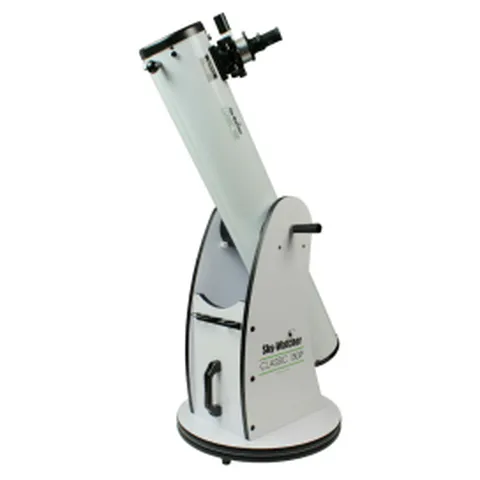 Sky-Watcher Classic 150P Dobsonian | 152 mm (6.0 in) | 0.77" / 0.76" | 13.4 / 13.4 | 295x = 49x per inch |
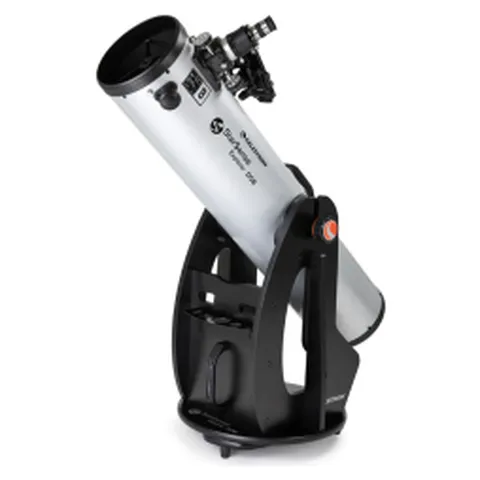 Celestron StarSense Explorer 8" Dobsonian | 203 mm (8.0 in) | 0.57" / 0.57" | 14.2 / 14.0 | 480x = 60x per inch |
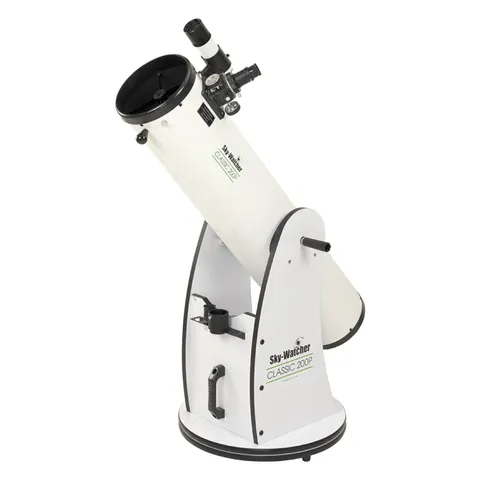 Sky-Watcher Classic 200P Dobsonian | 203 mm (8.0 in) | 0.57" / 0.57" | 14 / 14.0 | 400x = 50x per inch |
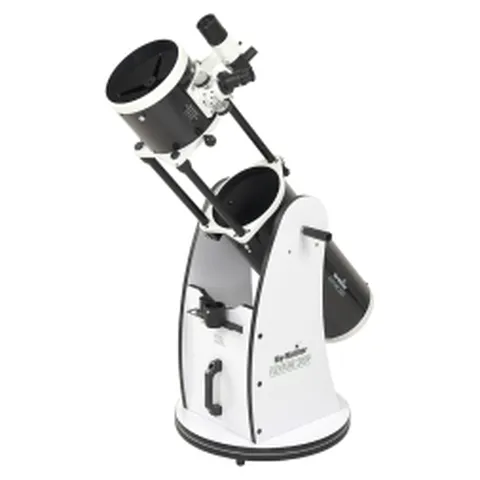 Sky-Watcher Flextube 200P Collapsible Dobsonian | 203 mm (8.0 in) | 0.57" / 0.57" | 14 / 14.0 | 400x = 50x per inch |
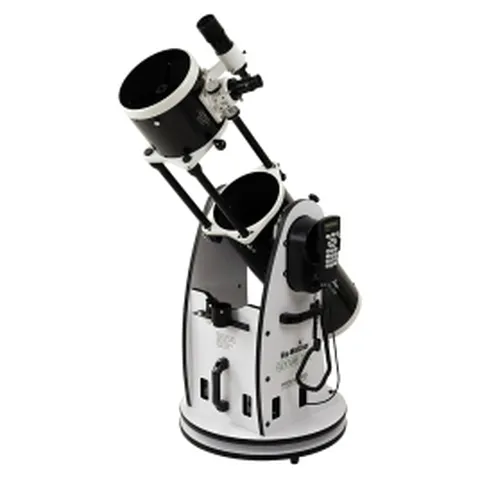 Sky-Watcher Flextube 200P SynScan GoTo | 203 mm (8.0 in) | 0.57" / 0.57" | 14 / 14.0 | 400x = 50x per inch |
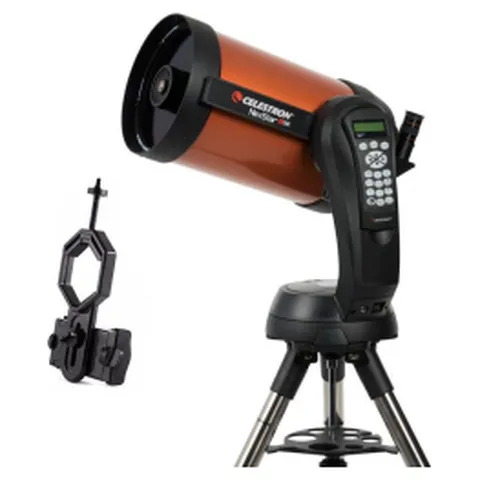 Celestron NexStar 8SE | 203.2 mm (8.0 in) | 0.57" / 0.57" | 14 / 14.0 | 480x = 60x per inch |
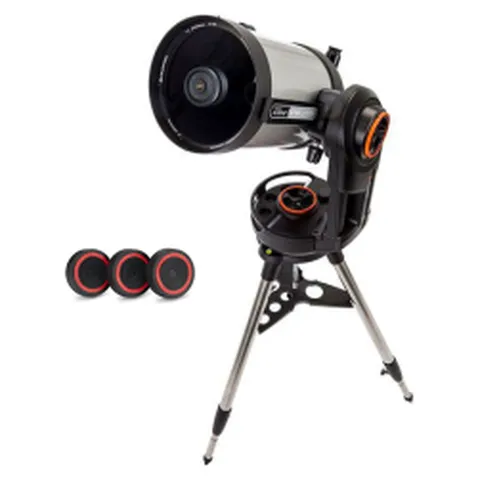 Celestron NexStar Evolution 8 | 203.2 mm (8.0 in) | 0.57" / 0.57" | 14 / 14.0 | 480x = 60x per inch |
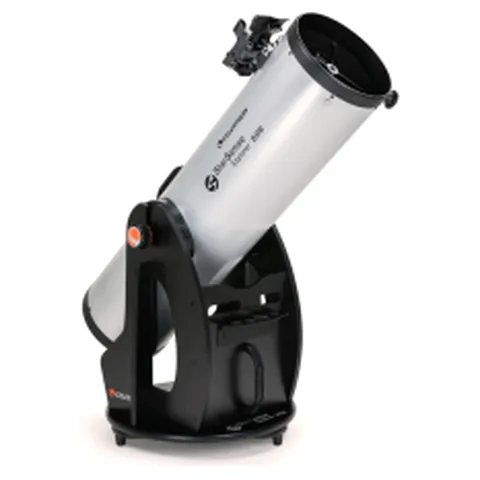 Celestron StarSense Explorer 10" Dobsonian | 254 mm (10.0 in) | 0.46" / 0.46" | 14.7 / 14.5 | 600x = 60x per inch |
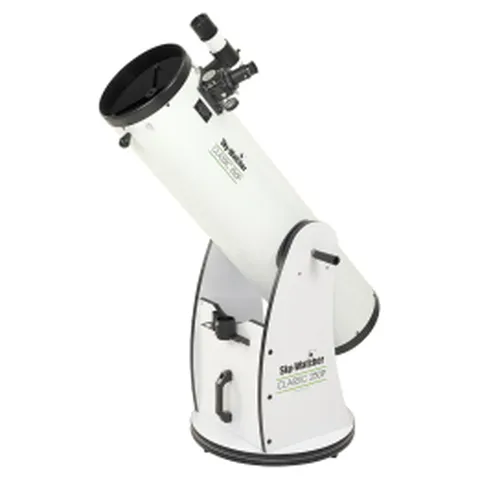 Sky-Watcher Classic 250P Dobsonian | 254 mm (10.0 in) | 0.46" / 0.46" | 14.5 / 14.5 | 500x = 50x per inch |
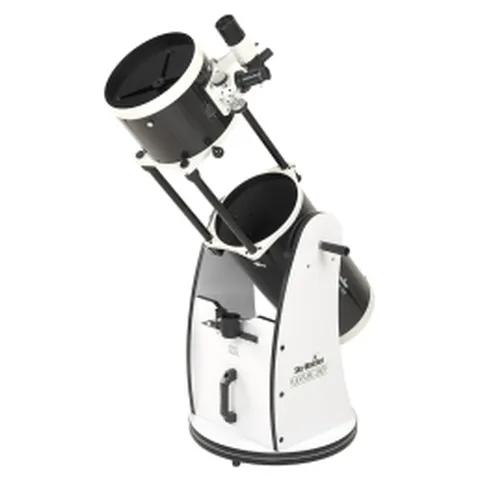 Sky-Watcher Flextube 250P Collapsible Dobsonian | 254 mm (10.0 in) | 0.46" / 0.46" | 14.5 / 14.5 | 500x = 50x per inch |
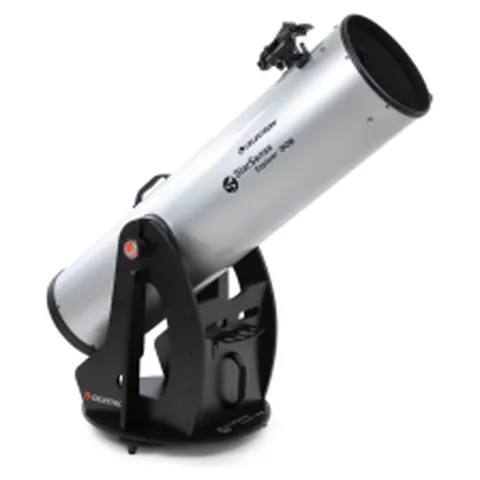 Celestron StarSense Explorer 12" Dobsonian | 305 mm (12.0 in) | 0.38" / 0.38" | 14.9 / 14.9 | 720x = 60x per inch |
What the numbers do not tell you
- The sky. The limiting magnitude assumes a dark site; city light takes several magnitudes away. Smart telescopes publish fainter limits (17.2 and 18.2 for Unistellar) because their cameras stack exposures: it is not a visual figure.
- The air. Celestron notes that the atmosphere often blurs high powers: "the situation gets worse when you magnify it using an even higher power eyepiece".
- The mount. A big mirror on a mount you will not carry outside stays in the closet. That is what Will it fit? is for.
Everything side by side: the telescope comparison, with every store's price.
Celestron StarSense Explorer LT 80AZ $229
80 mm (3.1 in)alt-azimuth, app-guided push-to (StarSense)9.2 lb total
Celestron StarSense Explorer DX 5" SCT $589.99
125 mm (4.9 in)alt-azimuth, app-guided push-to (StarSense)14.6 lb total
New on Aperture Math
- For beginners : Telescopes that make the first night work: they find objects for you or have nothing to set up, with their weights and prices.
- Under $500 : Every telescope we found under $500 on November 7, 2026, with aperture, aiming, published limits and each store's price.
- For planets : Celestron's planet rule applied to our catalog, with how big Jupiter and Saturn look at each telescope's highest useful power.
- Dobsonian vs refractor : The two designs beginners hesitate between, compared on price per inch of aperture, weight and focal length.
- Magnification explained : The formula, the magnification each telescope reaches with the eyepieces in its box, and the published limits.
Frequently asked questions
Which number matters most on a telescope?
Aperture, the diameter of the main lens or mirror. It sets the resolution (Dawes limit: 116 divided by the aperture in millimeters, in arcseconds), the faintest star you can see and the highest useful magnification. Magnification alone means little: any telescope reaches any power with a short enough eyepiece.
Are the brands' published figures trustworthy?
We checked them. For the eyepiece telescopes in our catalog that publish both, the Dawes limit and the limiting magnitude match the textbook formulas to a few hundredths of an arcsecond and a few tenths of a magnitude. The highest useful magnification does not match from brand to brand: Celestron uses about 60x per inch, Sky-Watcher about 50x per inch.
Do you test the telescopes?
No. We have not bought or tested any telescope. We compare what brands and stores publish, do the arithmetic in the open, and date every price.