Contents
Magnification is not a property of the telescope alone: swap the eyepiece and it changes. What the telescope fixes is the ceiling. Celestron: "the maximum usable power is equal to 50-60 times the aperture of the telescope (in inches) under ideal conditions. Powers higher than this usually give you a dim, lower-contrast image." And the floor: "Most of your observing will be done with lower powers (6 to 25 times the aperture of the telescope in inches)."
Chart: magnification with the eyepieces in the box
Each telescope's focal length divided by the eyepieces its brand lists as included, against the brand's highest useful magnification and the 50x-per-inch rule.
| Telescope | Focal length | Included eyepieces | Highest useful (brand) | 50x per inch |
|---|---|---|---|---|
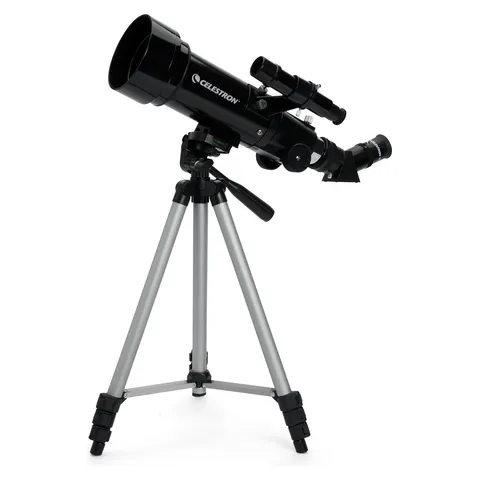 Celestron Travel Scope 70 | 400 mm | 20 mm: 20x, 10 mm: 40x | 168x | 138x |
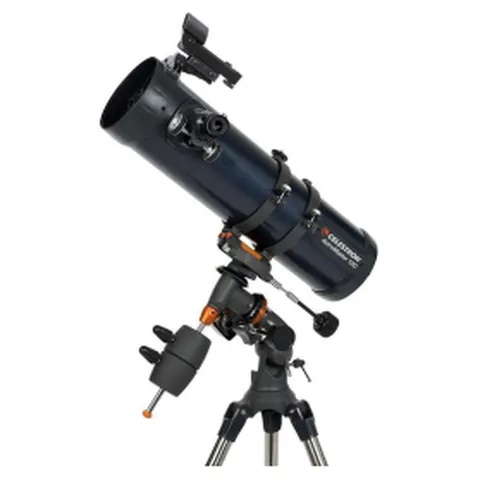 Celestron AstroMaster 130EQ-MD | 650 mm | 20 mm: 32x, 10 mm: 65x | 307x | 256x |
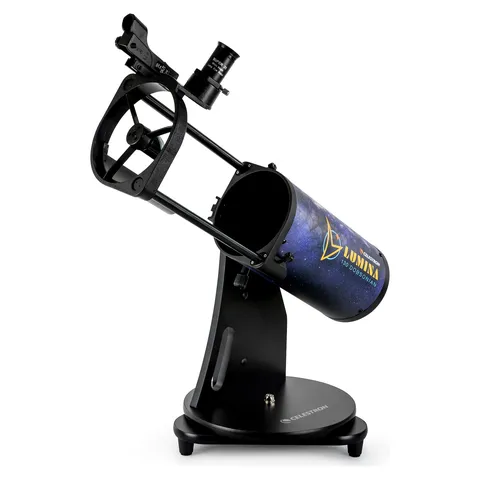 Celestron Lumina 130mm Tabletop Dobsonian | 650 mm | 25 mm: 26x, 10 mm: 65x | 306x | 256x |
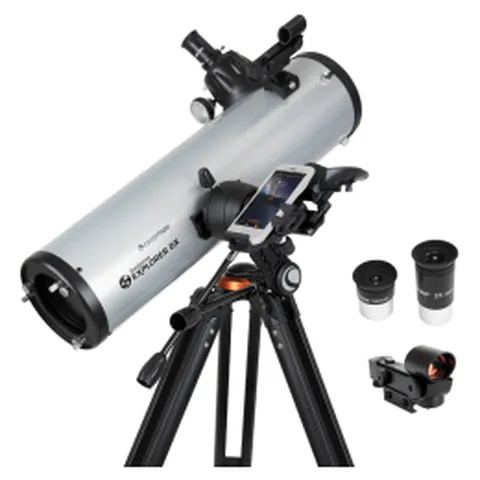 Celestron StarSense Explorer DX 130AZ | 650 mm | 25 mm: 26x, 10 mm: 65x | 307x | 256x |
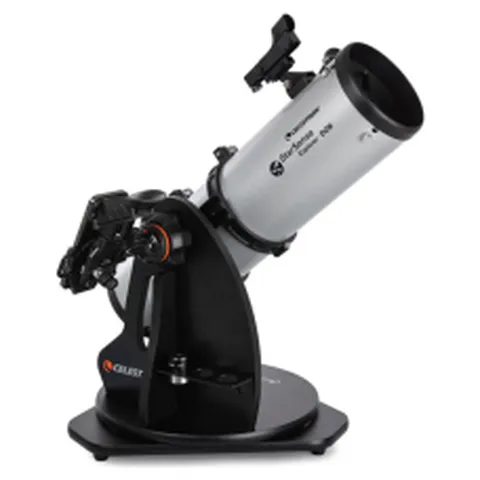 Celestron StarSense Explorer 130mm Tabletop Dobsonian | 650 mm | 25 mm: 26x, 10 mm: 65x | 307x | 256x |
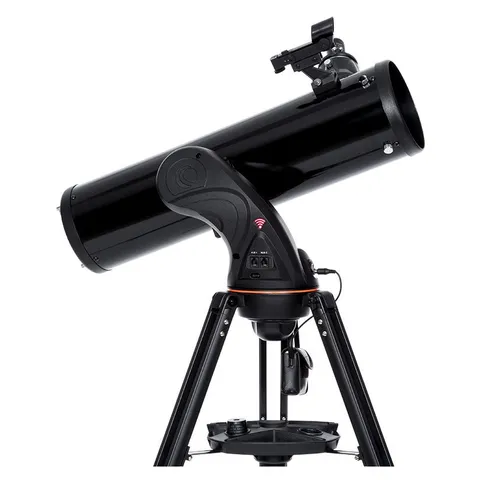 Celestron Astro Fi 130mm | 650 mm | 25 mm: 26x, 10 mm: 65x | 307x | 256x |
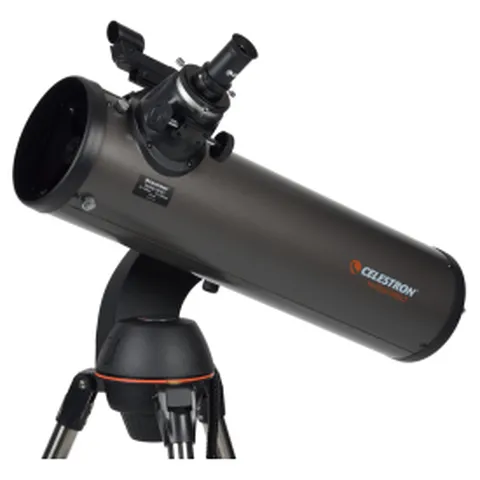 Celestron NexStar 130SLT | 650 mm | 25 mm: 26x, 9 mm: 72x | 307x | 256x |
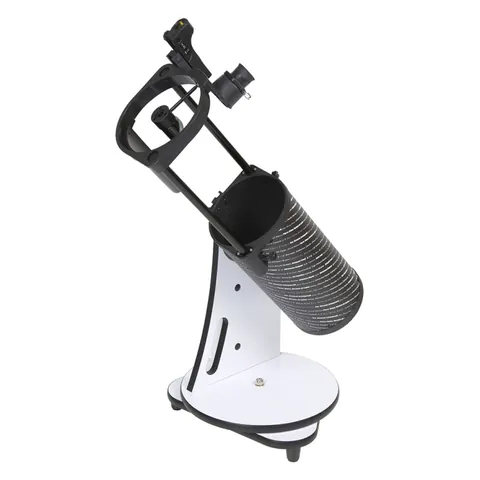 Sky-Watcher Heritage 130 Tabletop Dobsonian | 650 mm | 25 mm: 26x, 10 mm: 65x | 256x | 256x |
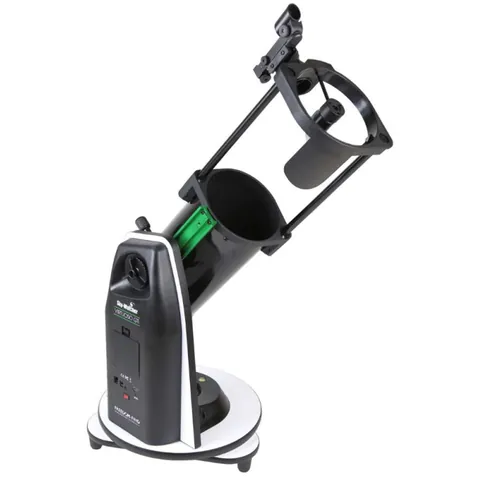 Sky-Watcher Virtuoso GTi 130P | 650 mm | 25 mm: 26x, 10 mm: 65x | 256x | 256x |
 Celestron AstroMaster 102AZ | 660 mm | 20 mm: 33x, 10 mm: 66x | 241x | 201x |
 Celestron Inspire 100AZ | 660 mm | 20 mm: 33x, 10 mm: 66x | 241x | 197x |
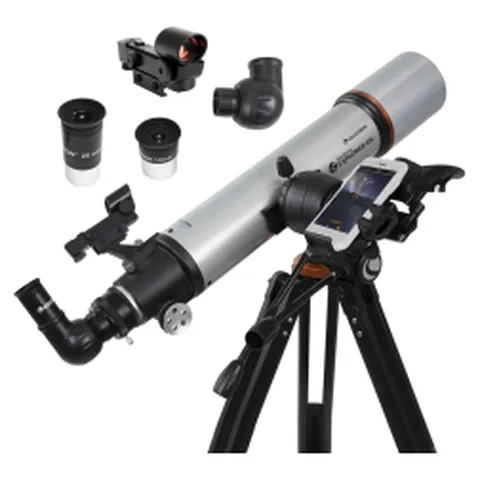 Celestron StarSense Explorer DX 102AZ | 660 mm | 25 mm: 26x, 10 mm: 66x | 240x | 201x |
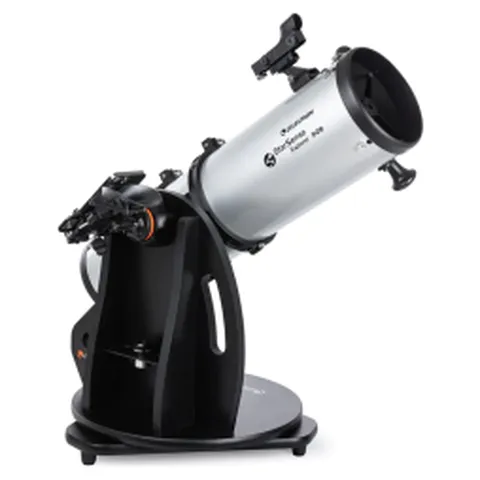 Celestron StarSense Explorer 150mm Tabletop Dobsonian | 750 mm | 25 mm: 30x, 10 mm: 75x | 354x | 295x |
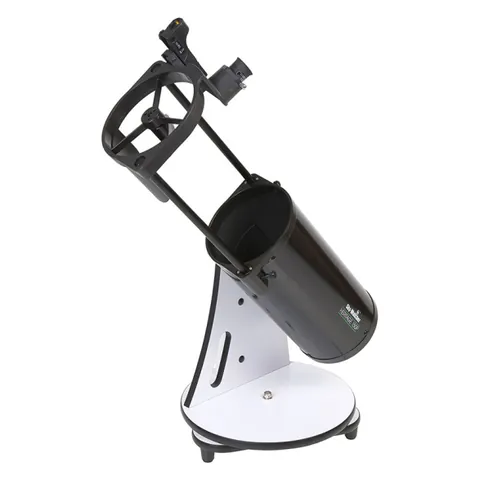 Sky-Watcher Heritage 150 Tabletop Dobsonian | 750 mm | 25 mm: 30x, 10 mm: 75x | 295x | 295x |
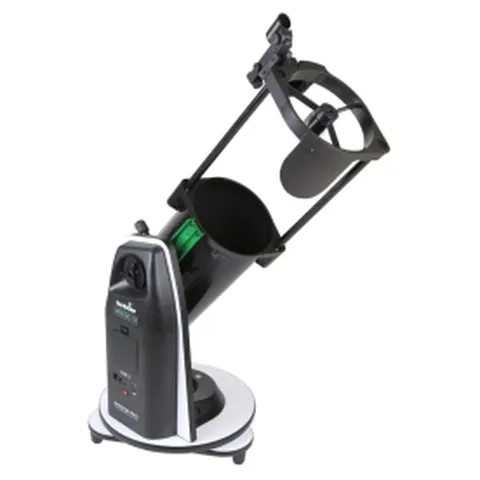 Sky-Watcher Virtuoso GTi 150P | 750 mm | 25 mm: 30x, 10 mm: 75x | 295x | 295x |
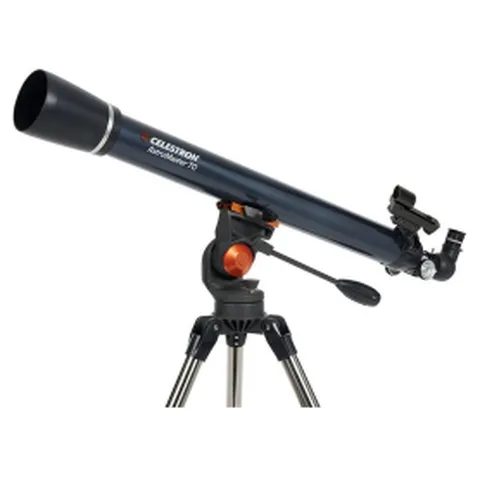 Celestron AstroMaster 70AZ | 900 mm | 20 mm: 45x, 10 mm: 90x | 165x | 138x |
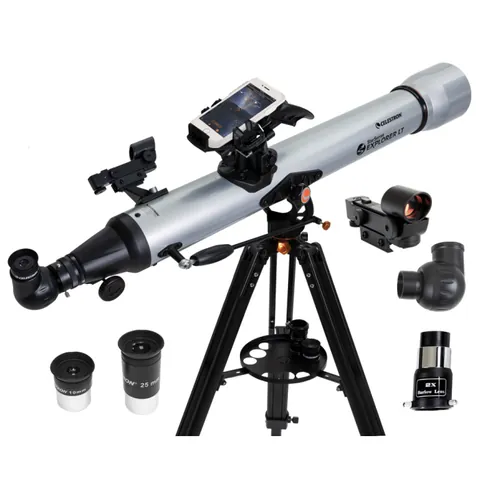 Celestron StarSense Explorer LT 80AZ | 900 mm | 25 mm: 36x, 10 mm: 90x | 189x | 157x |
 Celestron PowerSeeker 127EQ | 1000 mm | 20 mm: 50x, 4 mm: 250x | 300x | 250x |
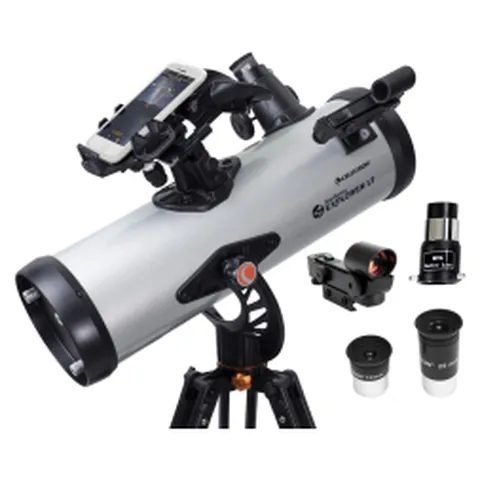 Celestron StarSense Explorer LT 114AZ | 1000 mm | 25 mm: 40x, 10 mm: 100x | 269x | 224x |
 Celestron StarSense Explorer 8" Dobsonian | 1200 mm | 25 mm: 48x | 480x | 400x |
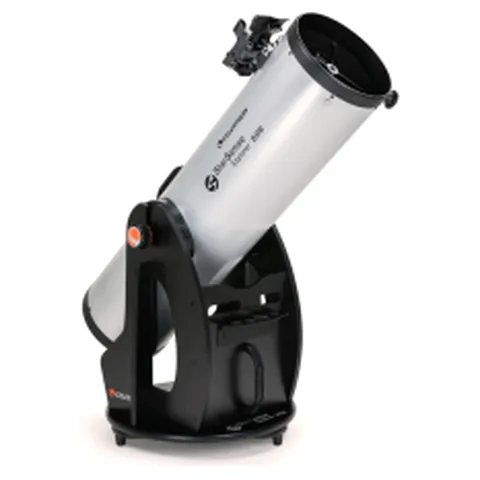 Celestron StarSense Explorer 10" Dobsonian | 1200 mm | 25 mm: 48x | 600x | 500x |
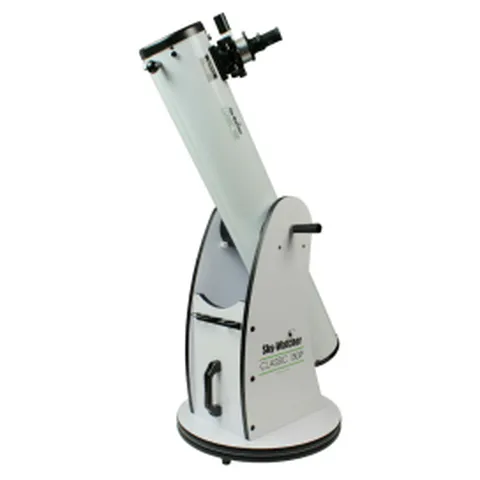 Sky-Watcher Classic 150P Dobsonian | 1200 mm | 20 mm: 60x, 12.5 mm: 96x | 295x | 299x |
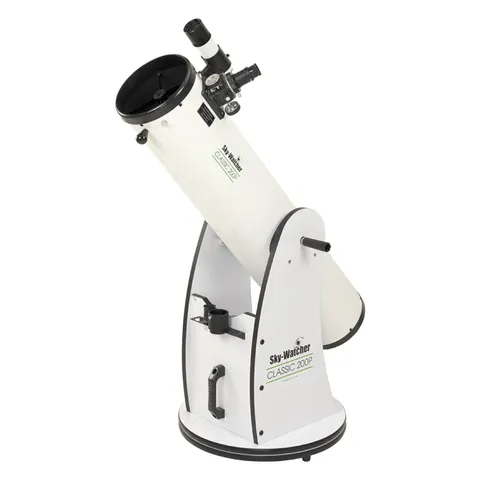 Sky-Watcher Classic 200P Dobsonian | 1200 mm | 20 mm: 60x, 12.5 mm: 96x | 400x | 400x |
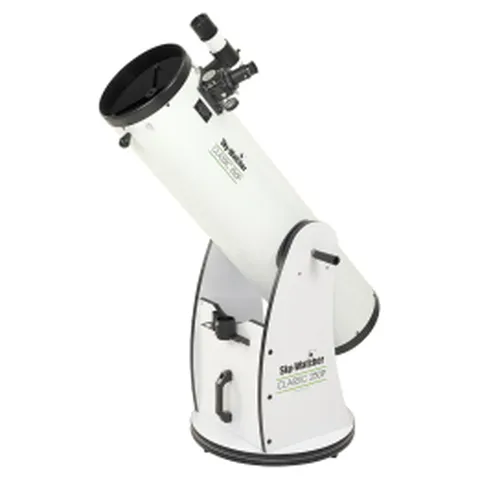 Sky-Watcher Classic 250P Dobsonian | 1200 mm | 20 mm: 60x, 12.5 mm: 96x | 500x | 500x |
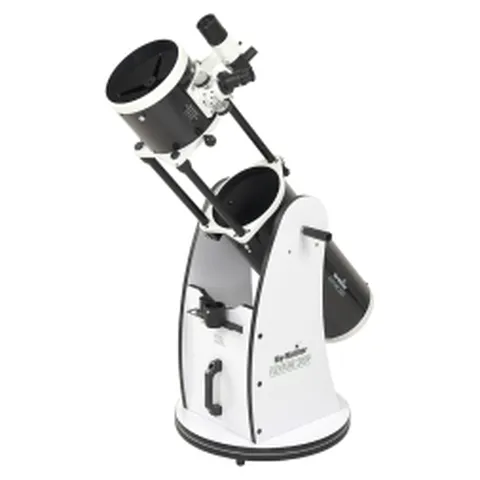 Sky-Watcher Flextube 200P Collapsible Dobsonian | 1200 mm | 20 mm: 60x, 12.5 mm: 96x | 400x | 400x |
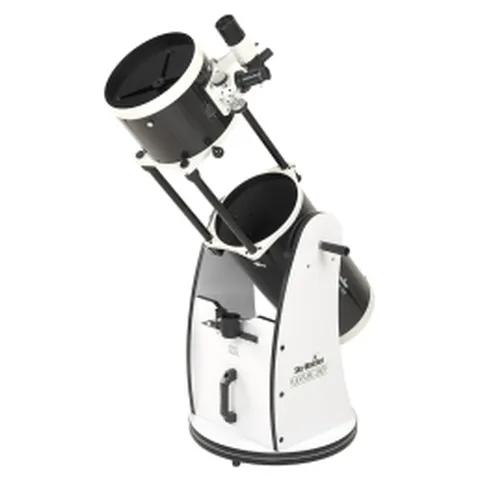 Sky-Watcher Flextube 250P Collapsible Dobsonian | 1200 mm | 20 mm: 60x, 12.5 mm: 96x | 500x | 500x |
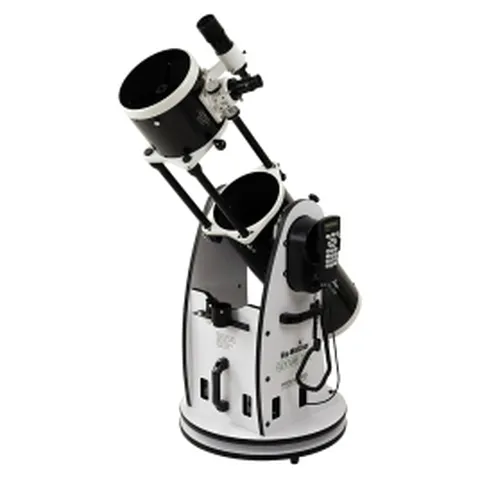 Sky-Watcher Flextube 200P SynScan GoTo | 1200 mm | 20 mm: 60x, 12.5 mm: 96x | 400x | 400x |
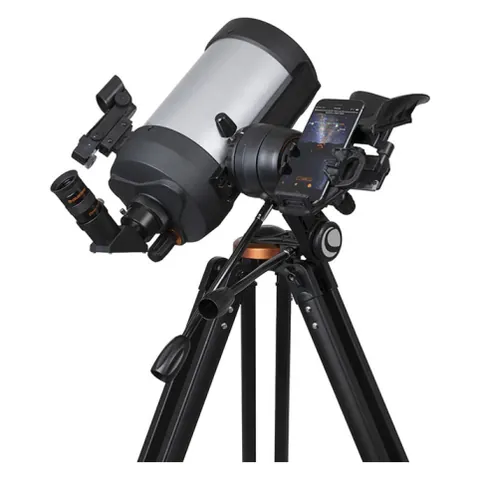 Celestron StarSense Explorer DX 5" SCT | 1250 mm | 25 mm: 50x, 10 mm: 125x | 295x | 246x |
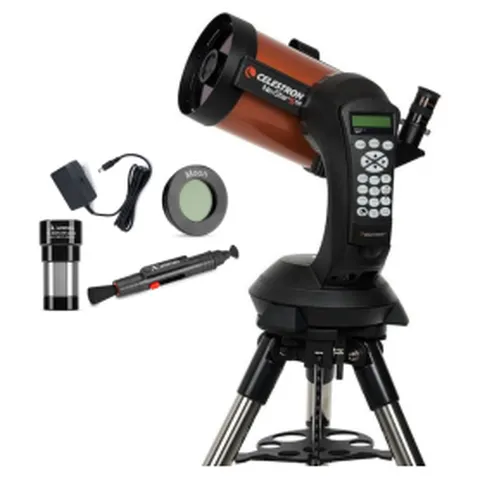 Celestron NexStar 5SE | 1250 mm | 25 mm: 50x | 295x | 246x |
 Celestron NexStar 4SE | 1325 mm | 25 mm: 53x | 241x | 201x |
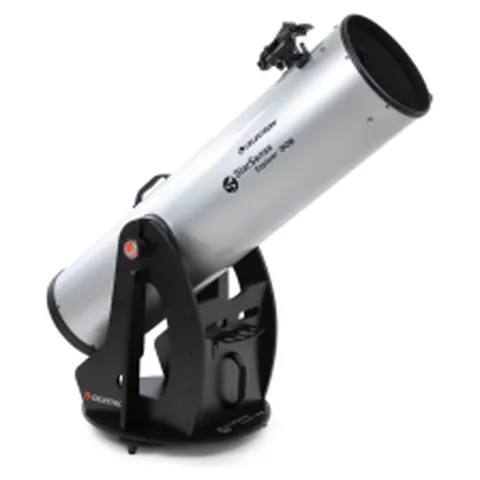 Celestron StarSense Explorer 12" Dobsonian | 1500 mm | 32 mm: 47x | 720x | 600x |
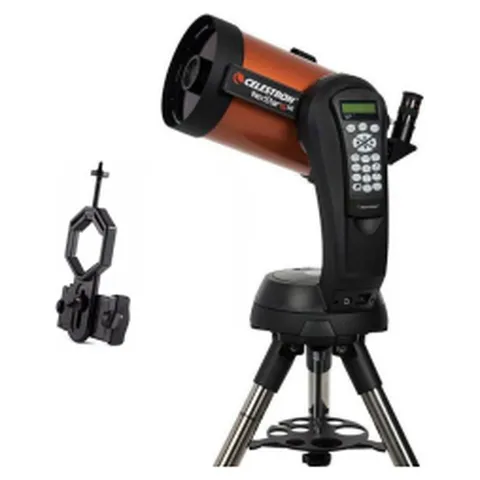 Celestron NexStar 6SE | 1500 mm | 25 mm: 60x | 354x | 295x |
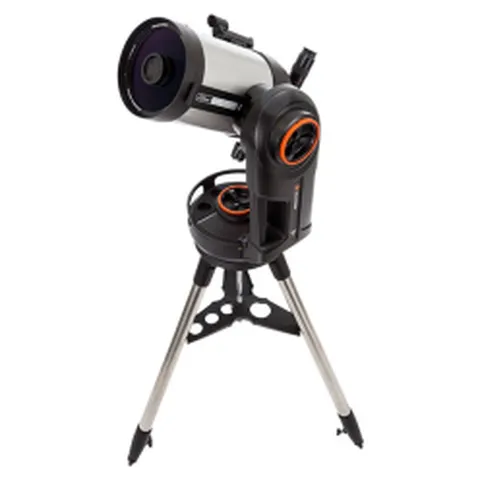 Celestron NexStar Evolution 6 | 1500 mm | 40 mm: 38x, 13 mm: 115x | 354x | 295x |
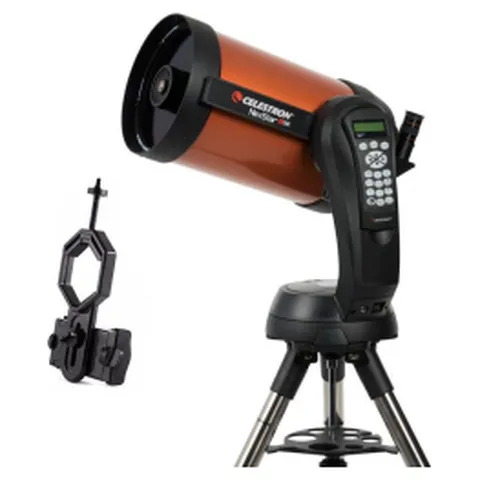 Celestron NexStar 8SE | 2032 mm | 25 mm: 81x | 480x | 400x |
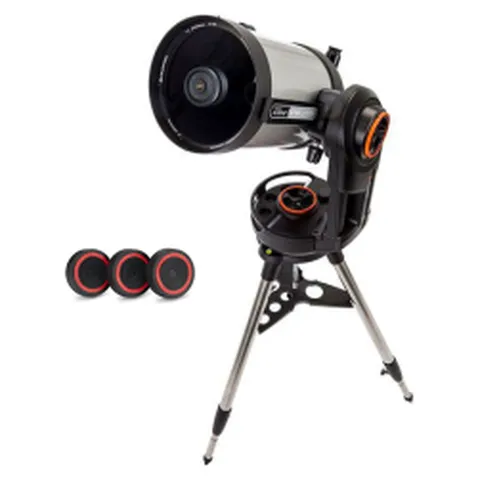 Celestron NexStar Evolution 8 | 2032 mm | 40 mm: 51x, 13 mm: 156x | 480x | 400x |
When the box promises more than the optics
Celestron's PowerSeeker 127EQ ships with 20 mm and 4 mm eyepieces and a 3x Barlow (spec sheet): 1000 / 4 x 3 = 750x, two and a half times the 300x highest useful magnification Celestron publishes for it. Nothing breaks; the image just gets dim and soft. Use the low powers first, as Celestron advises: "Always start with your lowest magnification (longest focal length) eyepiece".
Magnification, exit pupil and field go together
Raise the power and the exit pupil shrinks (aperture / magnification, Wikipedia, Exit pupil) and the field narrows (apparent field / magnification, Wikipedia, Eyepiece). Below about 1 mm of exit pupil images get dim; above your eye's pupil, light is wasted. Our magnification calculator shows all three at once. Compare models in the telescope comparison.
Frequently asked questions
What is the telescope magnification formula?
Telescope focal length divided by eyepiece focal length, both in millimeters. A 1000 mm telescope with a 20 mm eyepiece gives 50x (Celestron's example). A 2x Barlow doubles it.
What is the highest useful magnification?
About 50 to 60 times the aperture in inches under ideal conditions, per Celestron. Celestron's spec sheets use about 60x per inch, Sky-Watcher's about 50x per inch.
Is 750x possible on a 5-inch telescope?
On paper, yes: Celestron's PowerSeeker 127EQ comes with a 4 mm eyepiece and a 3x Barlow, 1000 / 4 x 3 = 750x. Celestron's own spec sheet for it gives a highest useful magnification of 300x.